
Power float or power trowel? Same machine, two names — and two stages
Search data says the UK floats concrete while the rest of Europe trowels it — with the same machine. Here is what the two names share, what floating and trowelling actually mean, and how to size the rotor to the slab.
Power float or power trowel — is there a difference?
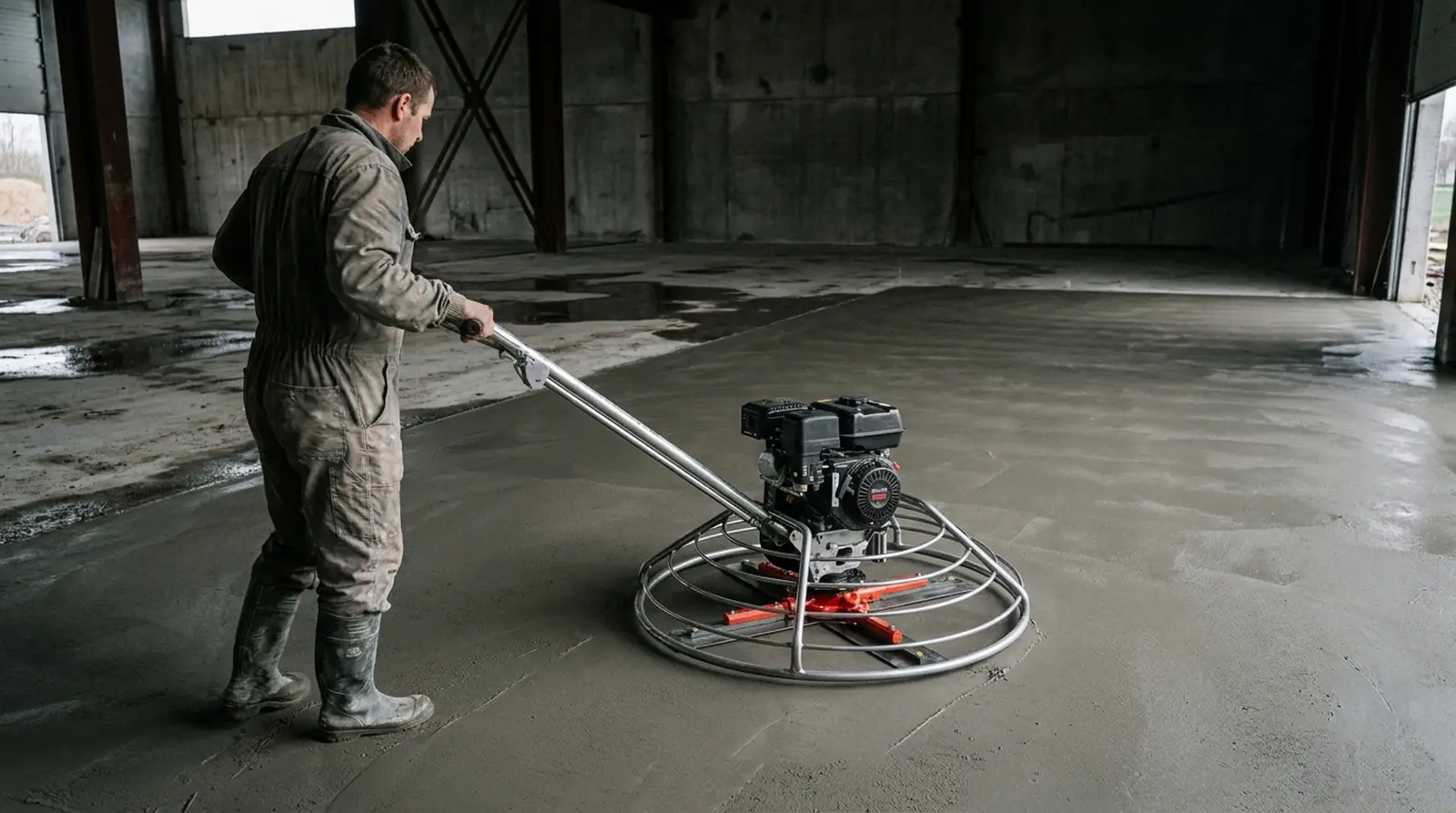
No — a power float and a power trowel are the same machine: a 53–350 kg unit finishing fresh concrete with a rotor of 4 blades, typically 600–1,200 mm in diameter. UK sites say "power float"; manufacturers and most of Europe say "power trowel". The job splits into two stages: floating and trowelling.
The naming muddle hides a real distinction that actually matters on the slab: floating is the early pass with a float pan or blades laid flat, and trowelling is the later pass with blades pitched to close the surface. One machine from our power trowels range does both — what changes is the attachment and the blade angle.
Floating and trowelling: two stages, one machine
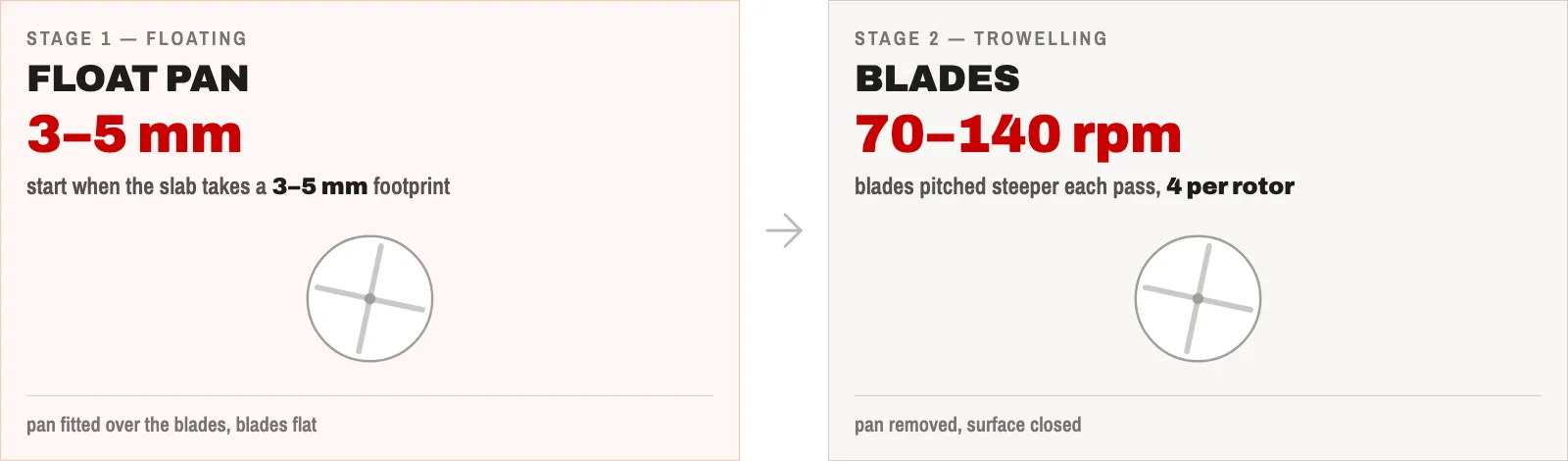
Floating starts when the concrete takes a footprint of 3–5 mm and carries the machine's weight — with a float pan fitted, a 76–83 kg walk-behind unit spreads its load across the whole 940 mm disc. Trowelling follows hours later, with blades pitched steeper pass after pass at 70–140 rpm, closing the surface to a hard, smooth finish.
Skipping the float stage and going straight to pitched blades on soft concrete tears the surface; trowelling too late means the blades burnish instead of closing pores. The stages are read from the slab, not the clock — the footprint test before floating, and a palm test (surface firm, no bleed water) before the first trowelling pass.
What size machine for what slab?
Walk-behind machines cover the span from edges to open floor: the 53 kg TPT-600 (600 mm rotor) works edges and doorways, while the TPT-900 (940 mm, 5.5–7 HP) is the standard for slabs up to several hundred square metres a day. Both run 4 blades at 70–140 rpm and take the same float pans.
| Machine | Rotor | Engine | Weight | Best for |
|---|---|---|---|---|
| TPT-600 (edge) | 600 mm | 7 HP | 53 kg | edges, doorways, small rooms |
| TPT-900 / TPT-900R10 | 940 mm | 5.5–10 HP | 76–83 kg | the walk-behind standard |
| TPT-836 Low Rider (ride-on) | 2 × 900 mm | 25 HP | 350 kg | large slabs, twin rotors |
| TPT-1046 EHG (ride-on) | 2 × 1,200 mm | 35 HP | – | industrial floors, 0–180 rpm |
Above several hundred square metres a day, twin-rotor ride-on machines take over — see the ride-on power trowels range. For everything smaller, the walk-behind power trowels line covers it with one operator.
Pans, blades and pitch: the attachment does the finishing
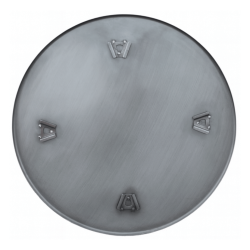
A float pan — a pressed steel disc of 3 mm thickness, sized 610–1,170 mm to match the rotor — clips over the blades for the floating stage. Combination and finishing blades then run the trowelling passes, 4 per rotor, pitched a little steeper each pass as the concrete stiffens.
Pans and blades are consumables: a worn set leaves streaks and pulls the machine out of balance, so they are replaced as a full set of 4. Sizes for the Toolsa machines — like the 945 × 3 mm pan for the TPT-900 — are in the trowel blades and pans category.
The Toolsa power float range
We build the full set: a 600 mm edge machine, 940 mm walk-behind units at 5.5–10 HP, and twin-rotor ride-ons up to 2 × 1,200 mm and 35 HP, plus the pans and blades matched to each rotor. Whether you searched for a power float or a power trowel — it is the same catalogue: power trowels at Toolsa.eu.
Frequently asked questions
- Is a power float the same as a power trowel?
- Yes — they are two names for the same concrete-finishing machine. "Power float" dominates on UK sites, "power trowel" is the manufacturers' term used across Europe. The machine carries a rotor of 4 blades (600–1,200 mm across the range) and performs both floating and trowelling, depending on the attachment and blade pitch.
- When can you start power floating concrete?
- When the slab takes a footprint of about 3–5 mm and carries the machine without tearing — depending on mix and weather that is typically a few hours after placing. Fit the float pan for the first pass: it spreads the 76–83 kg of a walk-behind machine across the full disc, so the fresh surface is worked, not rutted.
- What is the difference between floating and trowelling?
- Floating is the early, flat pass — pan or blades at zero pitch — that levels and compacts the surface. Trowelling comes hours later: blades pitched steeper with each pass at 70–140 rpm close the pores and harden the finish. Same machine, different attachment and angle; skipping the float stage tears fresh concrete.
- What size power float do I need?
- A 600 mm edge machine covers edges, doorways and small rooms; the 940 mm walk-behind class (5.5–10 HP, 76–83 kg) is the standard for most slabs. Above several hundred square metres a day, a twin-rotor ride-on — 2 × 900 mm at 25 HP or 2 × 1,200 mm at 35 HP — replaces two walk-behind machines.
- How many blades does a power float have?
- Walk-behind machines run 4 blades per rotor; twin-rotor ride-ons run 8 in total. Blades are replaced as a complete set of 4 — mixing worn and new blades pulls the rotor out of balance and transfers vibration into the gearbox.
- What is a float pan for?
- The pan — a pressed steel disc 3 mm thick, sized 610–1,170 mm to the rotor — clips over the blades for the first pass on fresh concrete. It spreads the machine's weight across the whole disc, lets you start earlier than blades alone would allow, and rides over minor surface irregularities instead of digging in.
- Can you power float any concrete slab?
- Any slab you can walk the machine onto — the practical limits are access and timing, not size. A 600 mm edge unit fits through a standard doorway, and the window for floating opens when the footprint test reads 3–5 mm. What does not get floated: slopes too steep to hold the machine and surfaces already past their trowelling window.
- Petrol or electric power float?
- The Toolsa walk-behind range is petrol (5.5–10 HP Loncin and Rato engines), which keeps the machine free of cables on open slabs. Petrol units need ventilation indoors — on enclosed floors plan air exchange, or split the work so trowelling passes finish before doors close.
Equipment featured in this article
-
 Toolsa Beton Troweling Disc (disk) 1170 Mm/ 3 Mm
-
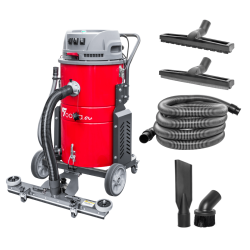 Toolsa TWC-3 90 Wet/dry Sludge Vacuum Cleaner
-
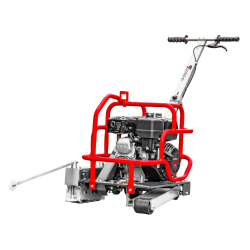 Toolsa TAS 150 Green Concrete Floor Saw (Honda GX 160)
-
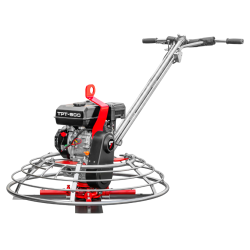 Toolsa TPT-900R7 Petrol Power Trowel (Rato R210, 7 HP)
-
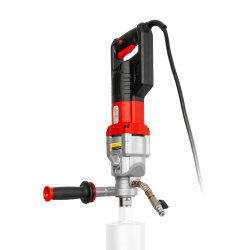 Toolsa DDB 26 Professional Handheld Core Drill, Brushless (2600 W)
-
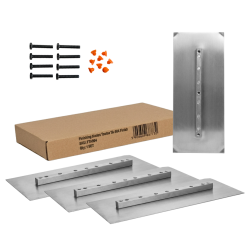 Toolsa Finish FTA-904 Concrete Trowel Blades (Set Of 4)
-
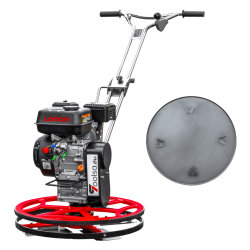 Toolsa TPT-600 Petrol Edge Power Trowel
-
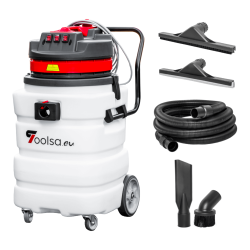 Toolsa WD3000 Wet/dry Sludge Vacuum Cleaner
-
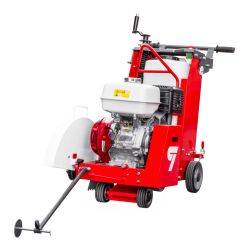 Toolsa TFS 500 Concrete And Asphalt Floor Saw (Honda GX 390)
- Toolsa DD 18 Professional Hand-Held Core Drill (1800 W)
-
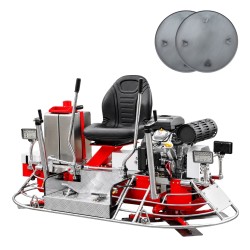 Toolsa TPT-836 Low Rider Ride-On Power Trowel (Rato R740 | 25 HP)
-
 Toolsa DDB 26P (2600 W) Professional Hand-Held Core Drill With Micro-Impact.
-
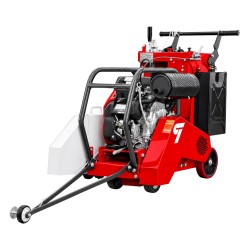 Toolsa TFS 600 Drive Concrete And Asphalt Floor Saw (Honda GX 690)
-
Toolsa DDB 26 Professional Handheld Core Drill, Brushless (2600 W)
-
Toolsa TPT-900R7 Petrol Power Trowel (Rato R210, 7 HP)